Guide
A practical guide to choosing an LA wedding venue by type, light, and timeline, plus the questions to ask before you book and how it shapes your photos.
- Last updated
- July 24, 2026
- Written by
- VowDeLune, Los Angeles
Short answer
Los Angeles wedding venues fall into a handful of types, and each one changes your light, your timeline, and your photos more than the decor ever will. Coastal spots like Malibu deliver soft backlit haze but brutal midday glare and wind; hillside estates in the Palisades or Hollywood Hills give golden-hour skylines but tricky steep terrain; downtown lofts trade greenery for editorial shadow and full climate control; garden and ranch venues offer shade and space but need a rain backup nine months a year. Before booking, ask about your ceremony's exact sun position, indoor fallback, noise curfews, and vendor access, because those four answers shape the film far more than the venue's Instagram.
Los Angeles does not have one look. It has six or seven, and they sit twenty minutes apart. The mistake most couples make is falling for a single carousel of golden-hour images without asking what that place actually does at the hour they will be standing in it.
Coastal venues from Malibu down to Palos Verdes give you that hazy, backlit ocean glow everyone wants. They also give you wind that turns a veil into a sail and, if your ceremony lands at noon, a flat white sky and squinting guests. Hillside estates in the Palisades, Bel Air, and the Hollywood Hills trade the water for a city view and warm canyon light, but the terrain is steep and the good light drops fast once the sun tucks behind a ridge. Downtown lofts and industrial spaces near the Arts District hand you concrete, tall windows, and total control over temperature and sound, which is a real gift in August. Gardens and estates in Pasadena and San Marino bring mature trees and open shade, the kindest light there is for skin. Ranches out toward Malibu Canyon or Simi give you room, dust, and a sunset that runs long and orange.
Each type has a personality on camera. Match it to the wedding you actually want to remember, not the one that photographs well on someone else's feed.
Light is the whole job. A garden with high canopy scatters sun into soft, even light that flatters everyone and forgives a midday ceremony. An open beach at 1pm does the opposite, so a coastal wedding almost always wants a late-afternoon ceremony with the sun behind the couple and the water lit up behind them.
Downtown lofts run on their windows. A west-facing wall of glass at 5pm is cinema. The same room at 10am can feel gray, so we plan the day around when the light hits, not around a template. Hillside estates reward a first look or a sunset portrait window, because the golden band up there is short and dramatic and gone in fifteen minutes once it dips behind the hills.
Timeline follows light, and light in LA follows season. A June wedding holds usable warmth past 7:30pm. A December wedding is losing the sun by 4:45, which quietly rewrites your entire schedule. When you book a venue, you are also booking a sunset time, and the two have to agree.
People assume Los Angeles weather is a solved problem. It mostly is, and then it is not. Marine layer can sit over the coast until noon and erase your ocean view. A late-spring heat spike can push an inland ranch past 100 degrees with no shade in sight. January and February bring the real rain, and a garden venue with no covered plan B becomes a scramble.
The honest move is to treat every outdoor venue as a two-plan venue. Ask what the rain and heat backup actually looks like, not whether one exists. A tent on standby is different from a windowless banquet room, and both change the mood of your film. Fully indoor venues cost you the open sky but buy you certainty, climate control, and a room that looks the same regardless of what the day does. Neither is wrong. You just want to choose it on purpose.
Where exactly does the sun sit during my ceremony start time, and does the venue know? A good coordinator can tell you. If they cannot, that is information too.
What is the real rain and heat backup, and can I see it? Walk the plan B space before you fall for the plan A lawn.
What are the noise and curfew rules? Many hillside and residential-adjacent venues cut amplified sound at 10pm, which decides how long your reception and your dance-floor footage can run.
When can vendors arrive and how far is the load-in? A venue with a long walk from parking or a hard early cutoff shapes how much coverage you actually get before the ceremony.
Is there a private, decent-light space for getting ready? Prep footage lives or dies on the room. A dim hotel bathroom is a different film than a suite with a big window.
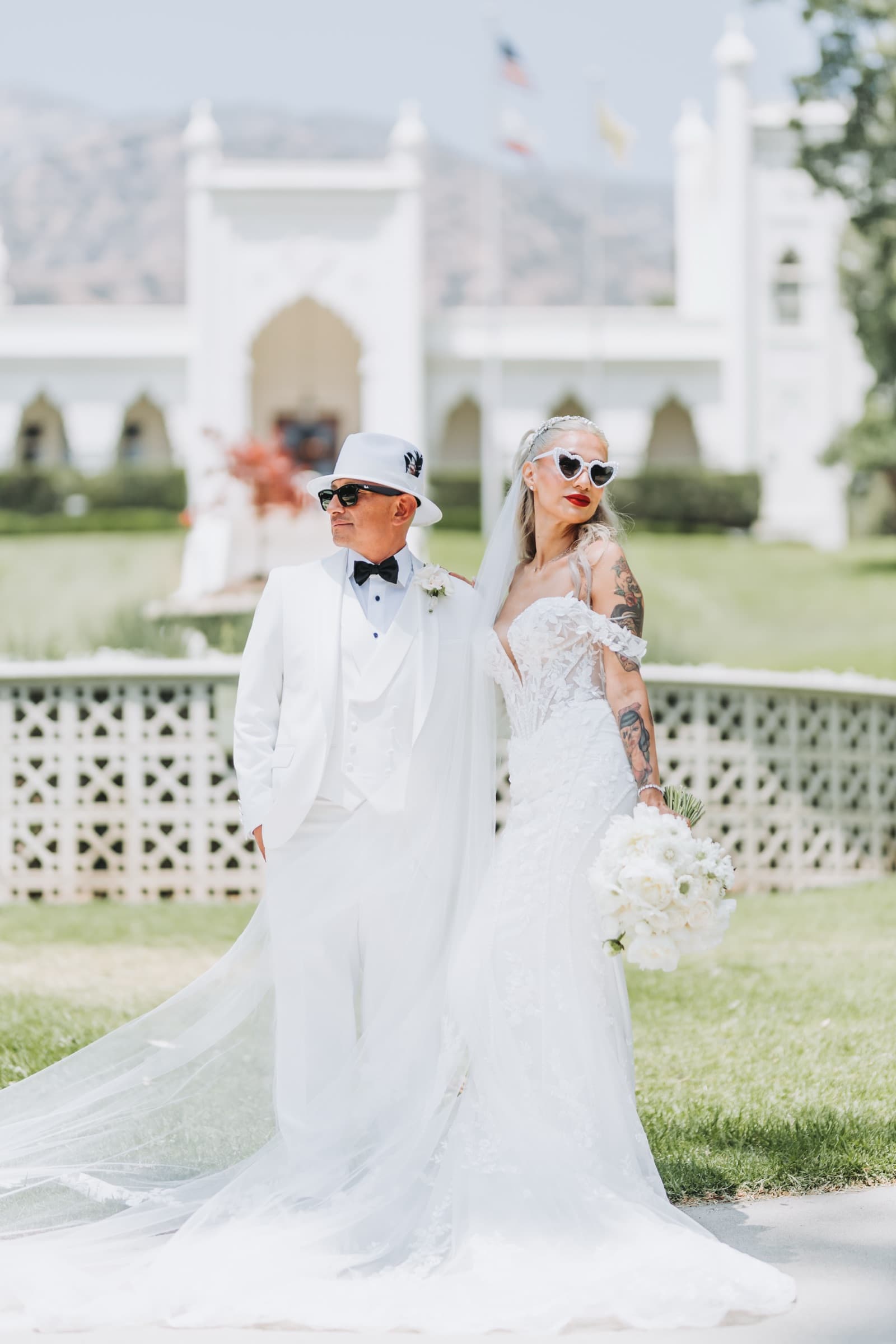
Because we shoot photo and film with one team, the venue is the first creative decision we plan around, well before shot lists or timelines. A downtown loft pushes the edit toward contrast, shadow, and a modern, editorial cut. A Pasadena garden pulls it soft, warm, and classic. A Malibu bluff at sunset wants wide, cinematic frames with the horizon doing half the work.
This is why we talk through your venue early rather than showing up on the day. The space sets the palette, the pacing, and the kind of story the film can tell. VowDeLune has covered more than 800 weddings over four-plus years, most of them in Los Angeles, and the pattern holds every time: the couples who chose their venue with the light and the timeline in mind, not just the view, are the ones whose photos feel like the day actually felt. Coverage starts at $2,599, with photos back in as little as two days and the film in about two weeks.
There is no single best type, only the best match for your priorities. Choose a coastal venue for ocean light and drama, a garden or estate in Pasadena for soft flattering shade and an easy timeline, a downtown loft for climate control and an editorial look, or a hillside estate for city-view sunset portraits. The right pick depends on your ceremony time, your guest count, and how much you want to gamble on weather.
Both work, but treat every outdoor LA venue as a two-plan venue. Marine layer on the coast, inland heat spikes, and real rain in January and February all happen, so ask to see the actual rain and heat backup before booking. Indoor venues cost you the open sky but give you certainty, climate control, and a room that photographs the same no matter what the day does.
More than the decor does. The venue sets the light, the palette, and the pacing of the edit. A downtown loft pushes toward contrast and shadow, a garden pulls warm and soft, and a coastal bluff at sunset wants wide cinematic frames. Because we shoot photo and film as one team, we plan around the venue first, which is why choosing it with light and timeline in mind matters.
Ask where the sun sits at your ceremony start time, what the real rain and heat backup looks like and whether you can see it, the noise and curfew rules that limit reception length, when vendors can load in and how far the walk is, and whether there is a private, well-lit space for getting ready. Those five answers shape your day and your film more than any feature on the venue's website.
Last updated
Want this covered properly?
Send us your date and venue. We will tell you whether we are free and what the day would look like with photo and film run by one team.
Check your date